Investigators

Albert Lo, PhD
-
Albert Lo, PhD (he/him) is a child psychologist at Cambridge Health Alliance. He has research and clinical interests in the mental health and developmental needs of youth and families from marginalized backgrounds. He received his doctorate in clinical psychology from the University of Massachusetts Amherst. He completed his clinical internship at the Virginia Treatment Center for Children/Virginia Commonwealth University Medical Center and his fellowship at the Center for Multicultural Training in Psychology at the Chobanian & Avedisian School of Medicine.
Andy Hyatt, MD
-
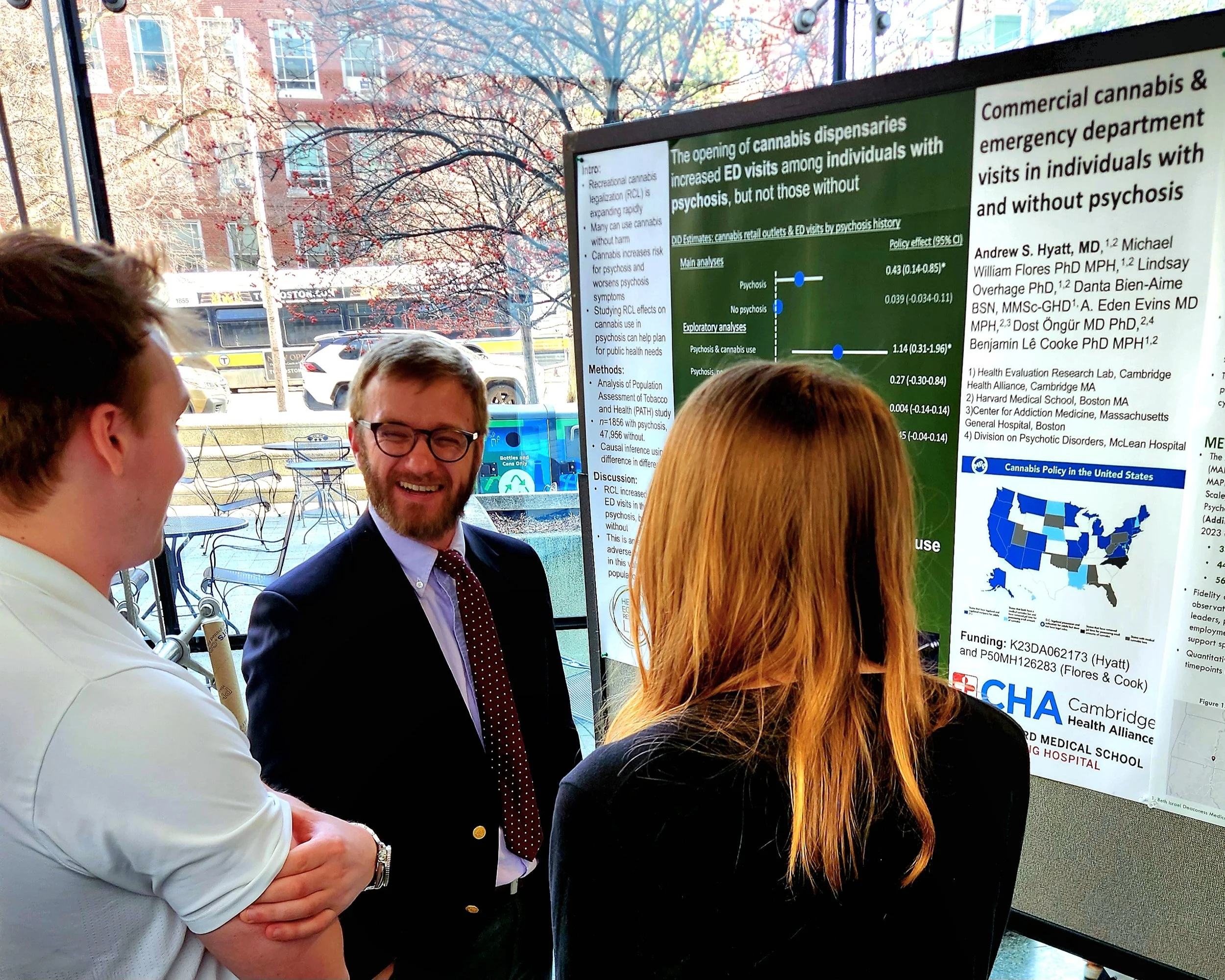
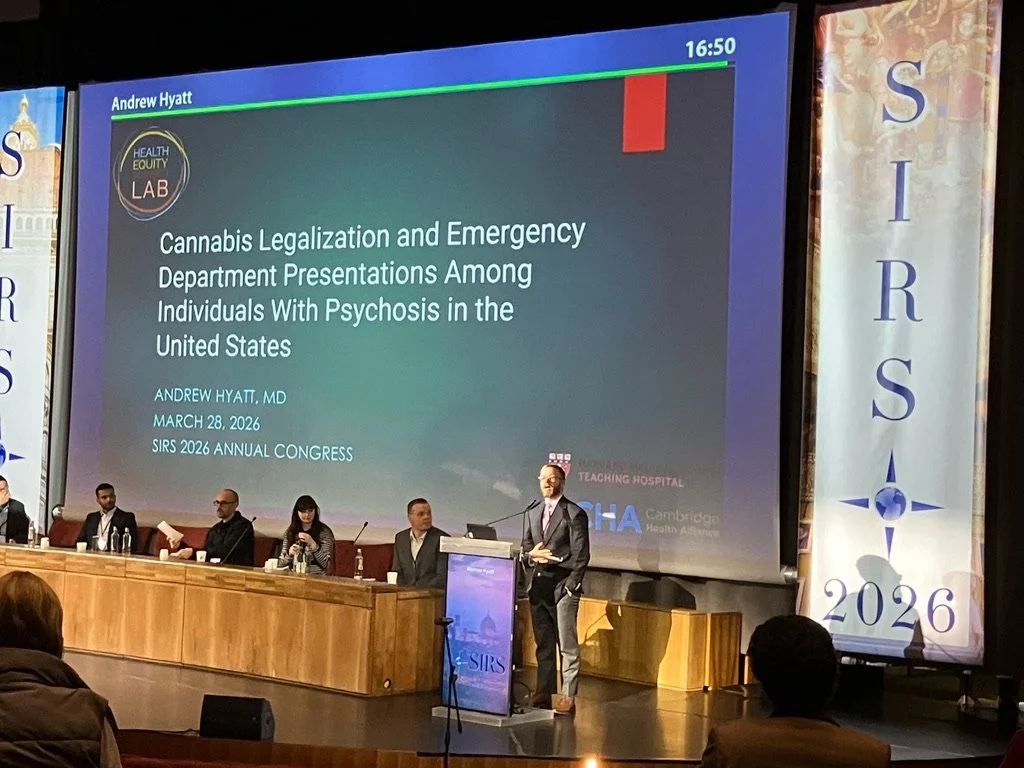
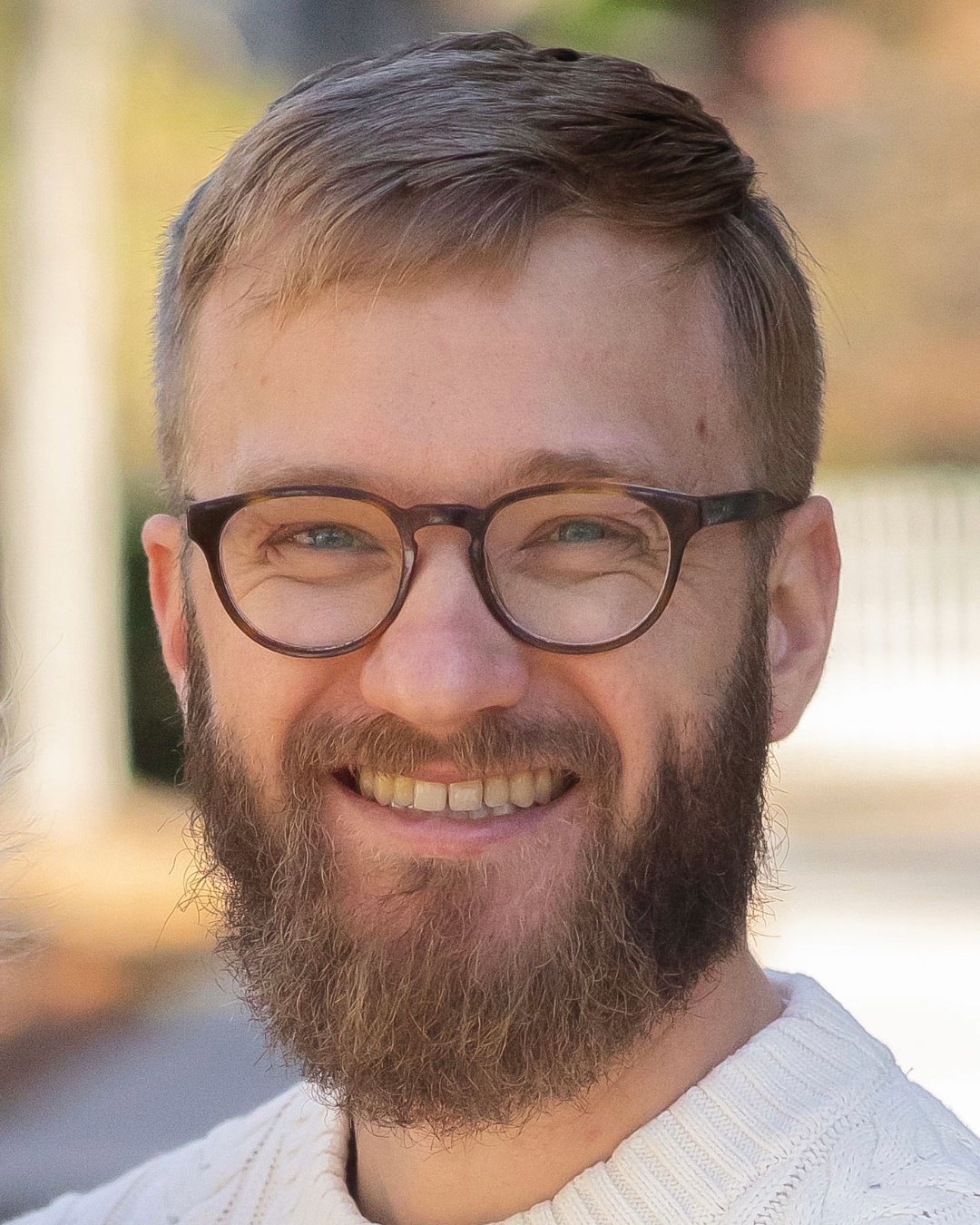
Andrew (Andy) Hyatt, MD (he/him) is an adult psychiatrist, an Instructor in Psychiatry at the Harvard Medical School, and a Clinical Research Associate at the HERLab, as well as the medical director of the Cambridge Health Alliance Health Integration Program for psychotic disorders. He is passionate about improving the lives of individuals with serious mental illnesses. After finishing adult psychiatry residency at CHA in 2022, he was awarded the Dupont Warren Fellowship and Livingston Award through Harvard Medical School to study substance use and long-term outcomes after first episode psychosis. He was recently awarded an NIH K23 Career Development Award through the National Institute of Drug Abuse (NIDA) to study the effect of adult use cannabis legalization on individuals with schizophrenia and related conditions.

Benjamin Lê Cook, PhD, MPH
-
Benjamin Lê Cook, PhD, MPH (he/him) is Director of the Health Equity Research Lab, Vice Chair of Research, Department of Psychiatry at Cambridge Health Alliance, the Morris E. Chafetz Professor of Behavioral Science, Department of Psychiatry at Harvard Medical School, and Visiting Clinical Associate Professor at the Albert Einstein College of Medicine in the Bronx, New York. Dr. Cook is a health services researcher whose work focuses on improving quality of life and expanding equitable access to high-quality care for individuals living with mental illness and substance use disorders. His research, funded by the NIH, AHRQ and major foundations, examines healthcare disparities in the U.S., evaluates the impacts of health reform on disparities, investigates the pathways and life-course trajectories of mental illness and substance use, and assesses the impact of hospital- and system-based interventions to improve outcomes. He received a Ph.D. in Health Policy at Harvard University concentrating in Evaluative Science and Statistics, an MPH from UNC-Chapel Hill in the Department of Health Behavior and Health Education, and a BA in psychology from Swarthmore College.

Dharma Cortés, PhD
-
Dharma Cortés, PhD (she/her/ella) is an Assistant Professor at Harvard Medical School (HMS) and a Senior Research Scientist at the HERLab. She received her Bachelor’s degree in Psychology and a Master’s degree from the University of Puerto Rico, a Doctorate degree in Sociology from Fordham University, and completed her post-doctoral training in Medical Anthropology at HMS’s Department of Social Medicine. She has contributed as principal investigator, co-investigator and consultant to studies funded by the NIH, the Centers for Medicare and Medicaid Services, and the Robert Wood-Johnson Foundation.

Gareth Parry, PhD
-
Gareth Parry, Ph.D (he/him), is a biostatistician at the Health Evaluation Research Lab within the Department of Psychiatry at Cambridge Health Alliance. He serves as the Data Lead for the Bipolar Action Network, a national learning health network. His research focuses on learning health systems, health care delivery improvement, implementation initiatives, and safety and quality measures. He has a substantial record of peer-reviewed publications and has led or co-led numerous grant awards. Dr. Parry developed the Clinical Risk Index for Babies (CRIB) score , which was recognized as a Scientific Achievement of the Year by the UK Medical Research Council in 1994. He also established the Pediatric Intensive Care Audit Network (PICANet) in the United Kingdom and published the CRIB II update. His recent research includes evaluating the impact of value-based payment models on mental health care access, suicide risk in youth, and applying machine learning to identify patients at risk for opioid overdose in emergency departments. Dr. Parry previously chaired the Annual Scientific Symposium for the Institute for Healthcare Improvement (IHI). He teaches biostatistics for the Harvard Global Clinical Scholars program. He earned his Ph.D. in Health Services Research from the University of Dundee.
Previously, he led the evaluation department, at the Institute for Healthcare Improvement (IHI), developing a novel mixed-method rapid-cycle evaluation approach for implementation and improvement initiatives. His early career in the United Kingdom (UK) focused on developing and applying the Clinical Risk Index for Babies (CRIB) Score, used internationally in clinical and service delivery research. He undertook similar work in pediatric and adult intensive care, becoming the founding director of the UK pediatric Intensive Care Audit Network (PICANet).

James Barrett, PhD
-
James Barrett, PhD is the Director of the Clinical Support Unit at the Cambridge Police Department and an Assistant Professor of Psychology in the Department of Psychiatry (part-time) at Harvard Medical School. He is an Associate Clinical Researcher at the HER Lab at the Cambridge Health Alliance where he received the Academic Council Award for Excellence. Dr. Barrett is the author and developer of the Fight Navigator curriculum under the Eleanor and Miles Shore Fellowship from the Harvard Medical School to address retaliatory violence in youth. He is a member of the American Psychological Association, Association of Threat Assessment Professionals (ATAP) and the FBI’s Mass Bay Threat Assessment Team.

Jessica Stubbing, D. Clin Psych
-
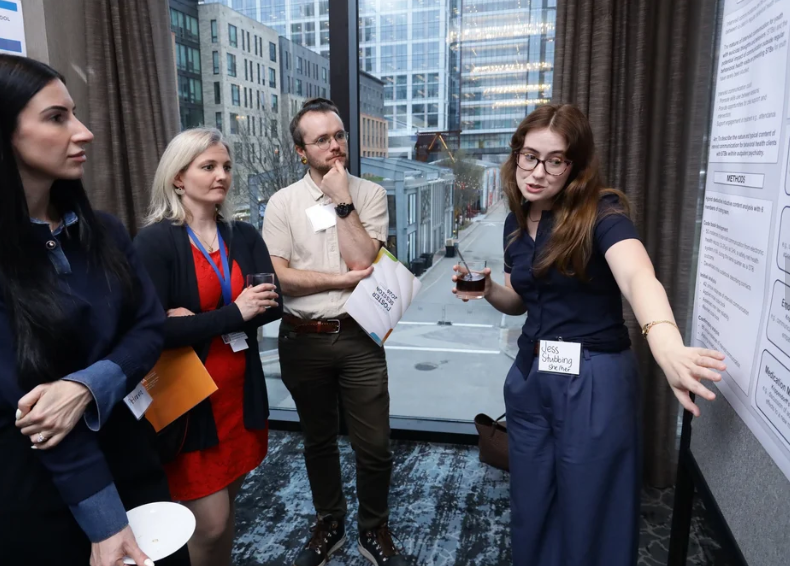
Jessica Stubbing, D. Clin Psych (she/her) is a child and adolescent psychologist at Cambridge Health Alliance and Assistant Professor, Department of Psychiatry at Harvard Medical School. Jess's research focuses on improving understanding of and response to young people's mental health and suicidal thoughts and behaviors through youth-centred, community-based and implementation science approaches. She completed her doctorate in clinical psychology at the University of Auckland and her clinical internship at Starship Children's Hospital, both in New Zealand. She received a Fulbright award to complete a fellowship at Harvard University, and later completed her post-doctoral fellowship at the Institute of Living.

Marcela Horvitz-Lennon, MD
-
Marcela Horvitz-Lennon, MD is an Associate Professor of Psychiatry at Harvard Medical School, Senior Scientist at the HERLab, and a practicing psychiatrist at CHA. She is also a Senior Physician Policy Researcher at RAND and a core faculty member of the Pardee RAND Graduate School. Horvitz-Lennon has conducted research on access to and quality of care; and place of residence; effectiveness and safety of treatments; underuse and overuse of mental health interventions; integration of physical and mental health care; diffusion of innovations; and Medicaid and federal health care policy including value-based payment. Horvitz-Lennon has served as Ad-Hoc and standing reviewer at NIH study sections and is the outgoing chair of the Clinical Data Management and Analysis (CDMA) study section. She is a member of the Clinical Guideline Writing Group of the American Psychiatric Association and served on a National Academies of Sciences, Engineering, and Medicine committee that reviewed several programs in the Comprehensive Addiction and Recovery Act. She has mentored pre-doctoral students and served as member/director of Ph.D. dissertation committees, and through her clinical position, she is actively involved in medical student education and resident training. She earned her MD in Santiago, Chile, and a Masters degree in Public Health at Johns Hopkins University School of Public Health. She completed her psychiatric residency training at the University of Maryland Medical School and a fellowship in Community Psychiatry at Johns Hopkins Medical School.

Michael Flores, PhD, MPH
-
Michael Flores, PhD, MPH, is an Assistant Professor of Psychiatry at Harvard Medical School (HMS) and a Senior Research Scientist in the HERLab at CHA. His research employs rigorous analytic methods to inform policy development and improve the quality of care and health outcomes for individuals with behavioral health disorders. Dr. Flores has two research arcs: 1) tracking national trends in behavioral health treatment and investigating the mechanisms underlying these trends; and 2) assessing the extent to which fiscal policies (Medicaid/ Medicare) targeting behavioral health services impact treatment use. He completed a postdoctoral research fellowship at HMS/CHA, where he received the Norman E. Zinberg Fellowship in Addiction Psychiatry Research. Dr. Flores has been awarded a New Investigator Award from the National Institute on Drug Abuse and a Diversity Scholar Award from the American Society of Health Economists. He has also completed a Junior Faculty Fellowship from HMS. Dr. Flores is currently the Principal Investigator on a NIDA R01 grant assessing the impact of New York State's Medicaid Value-Based Payment Policy on opioid use treatment. He also serves as a Co-Investigator on numerous other NIH-funded projects and has published his research as a lead author in high-impact journals, including JAMA Pediatrics, JAMA Psychiatry, and Addiction. Dr. Flores is dedicated to actively mentoring pre-doctoral students, post-doctoral fellows, and early-stage investigators. He holds a PhD in Health Services Research from Brown University School of Public Health, an MPH from CSUF, and a BA from UCSB.

Nicholas Carson, MD, FRCP
-
Nicholas Carson, MD is an AssociateProfessor in Psychiatry at Harvard Medical School and a Senior Clinician Scientist at the Health Equity Research Lab. He is also Division Chief for Child & Adolescent Psychiatry at the Cambridge Health Alliance, leading services in outpatient, school-based, integrated care, and inpatient settings. Dr. Carson studies suicide prevention using large datasets. His research aims to produce clinical innovations that improve the safety of underserved youth and adults at risk for suicide. He enjoys teaching clinical scholarship to child psychiatry fellows and mentoring early career staff. Dr. Carson received his BA and MD from McGill University, completed his psychiatry residency at the University of Pennsylvania and fellowship training in Child and Adolescent Psychiatry at the Cambridge Health Alliance/Harvard Medical School.
Rajen Aldis, MD
-
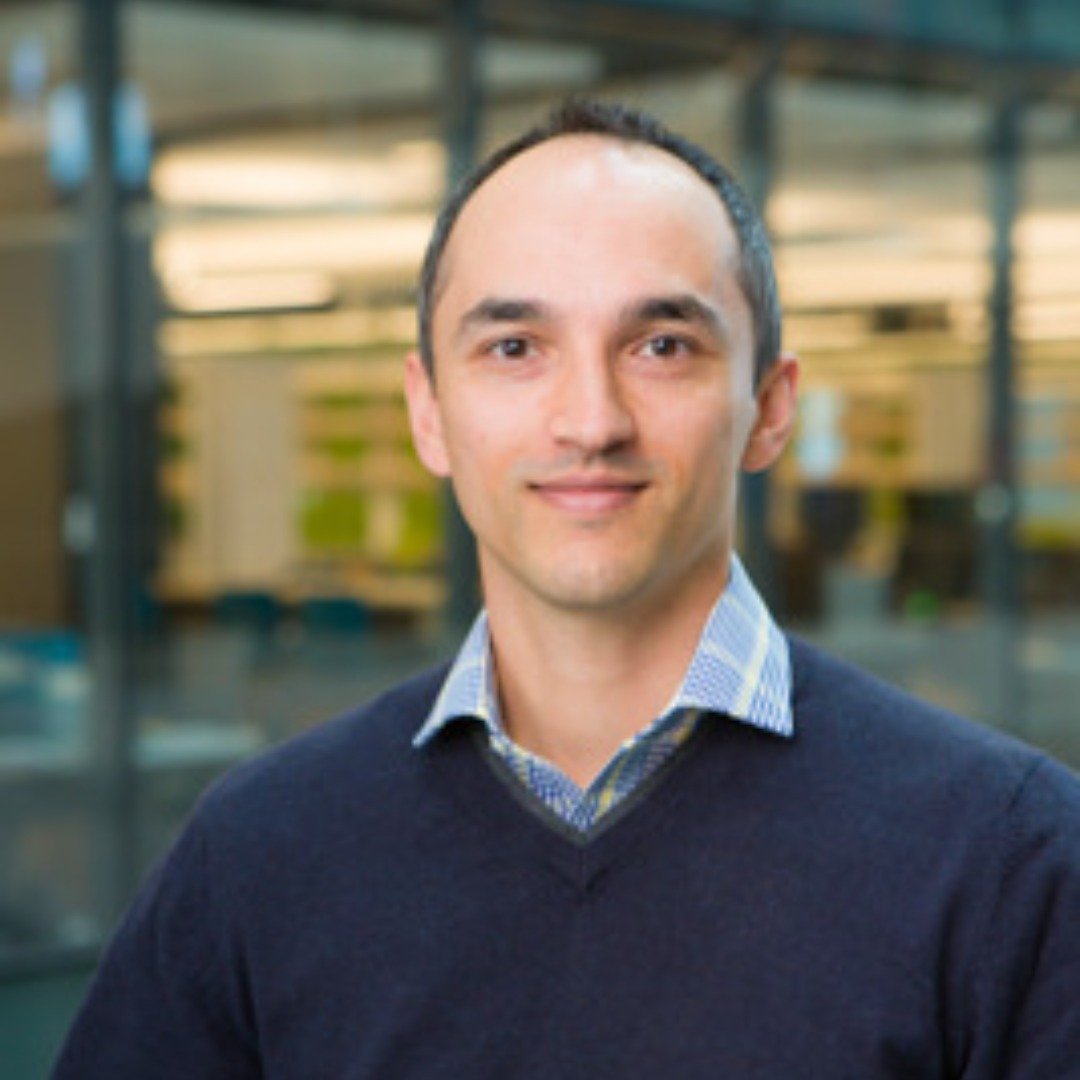
Rajendra Aldis, MD is the Associate Medical Director of Research Informatics at Cambridge Health Alliance (CHA) and an Instructor in Psychiatry at Harvard Medical School. He also provides direct patient care as a board certified psychiatrist in CHA’s Primary Care Integrated Behavioral Health Program. In the CHA IT department, he has a leadership role in developing CHA’s research informatics and predictive analytics capacity. Dr. Aldis’ research interests include the application of machine learning and electronic health record data to assess and mitigate health disparities. Dr. Aldis received his MD from Dartmouth Medical School and a Master of Science in Computer Science from Northeastern University. He completed residency in adult psychiatry at Cambridge Health Alliance/Harvard Medical School, and completed his fellowship training in global mental health delivery at Harvard Medical School/Partners in Health.

Valeria Chambers, EdM, CAS, CPS
-
Valeria Chambers, (she, her, hers) EdM, CAS, CPS, is the founder of Black Voices: Pathways4Recovery, a state-wide advocacy and leadership support network for Blacks and African Americans. She uses her lived experience as a person in mental health recovery in her work as a Sr. Community Researcher at the HER Lab, and as Peer Support Lead & Training Coordinator for the CHA Community Behavioral Health Centers. Valeria also works as a Peer Consultant at the Center of Excellence for Psychosocial and Systemic Research, MGH, and serves on the board of directors of Sankofa International, a brand new non-profit bringing Peer Support in Addictions to parts of Africa. She genuinely believes that peer support, collaboration, and community engagement can be amazing avenues for individual & systemic growth, transformation, and healing. Valeria continually looks for ways to include and amplify voices that often go unheard due to institutional and systemic racism and oppression. Her goal is to help increase access to trauma-informed, culturally responsive mental health connections for people in marginalized communities, via community engaged research, peer support, and advocacy.
Staff

Chuqiao Wang, MS
-
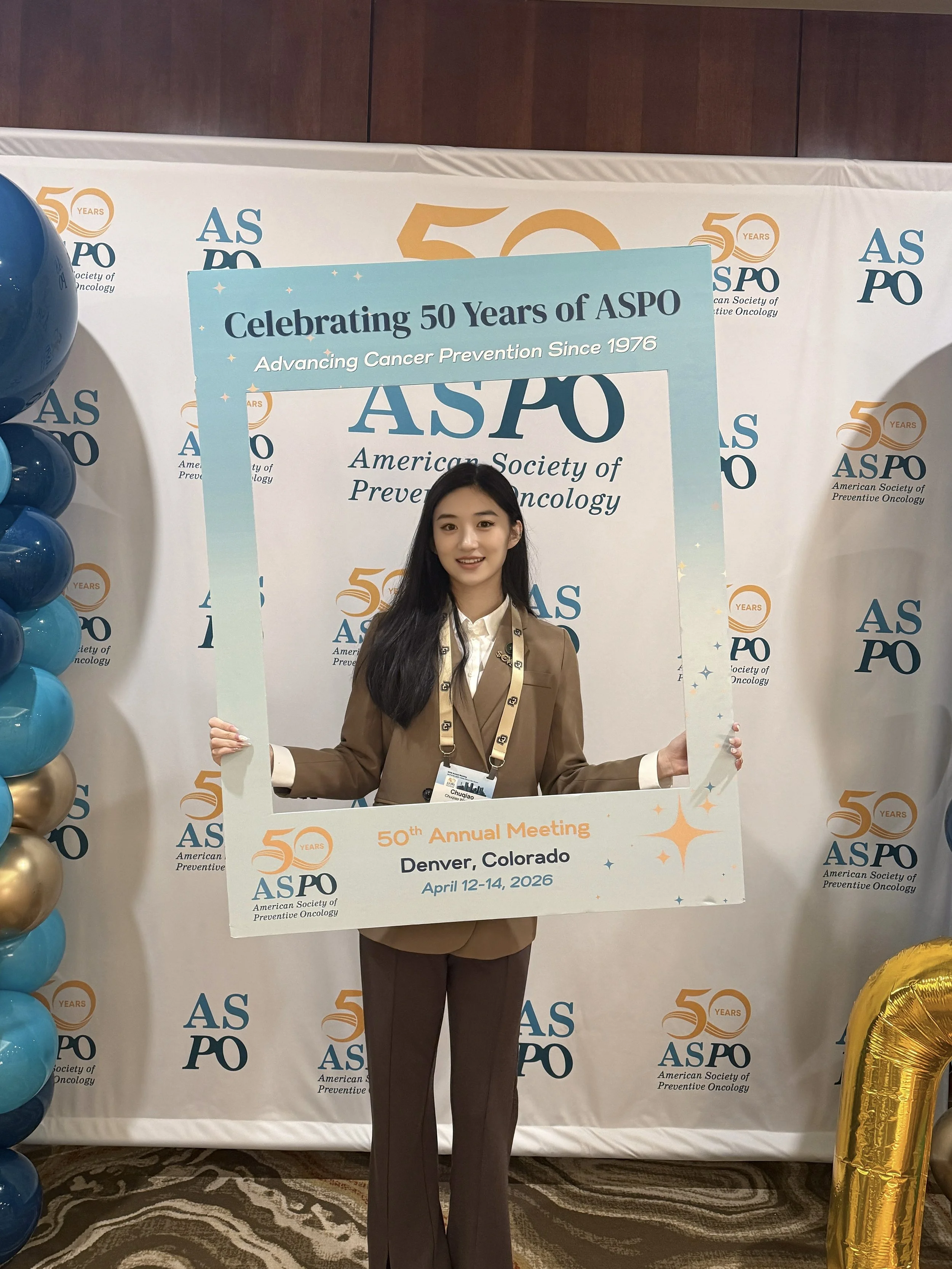
Chuqiao (Kristy) Wang (she/her) earned her M.S. in Health Policy and Economics from Weill Cornell Graduate School of Medical Sciences and her B.Sc. in Mathematical Economics and Statistics from the University of Birmingham. She has gained research experience at Weill Cornell Medicine focusing on cancer prevention, mental health, social determinants of health, and healthcare utilization. Chuqiao is passionate about using real-world data to better understand health disparities and support evidence-based health policy that improves health outcomes.

Danta Bien-Aime, MS
-
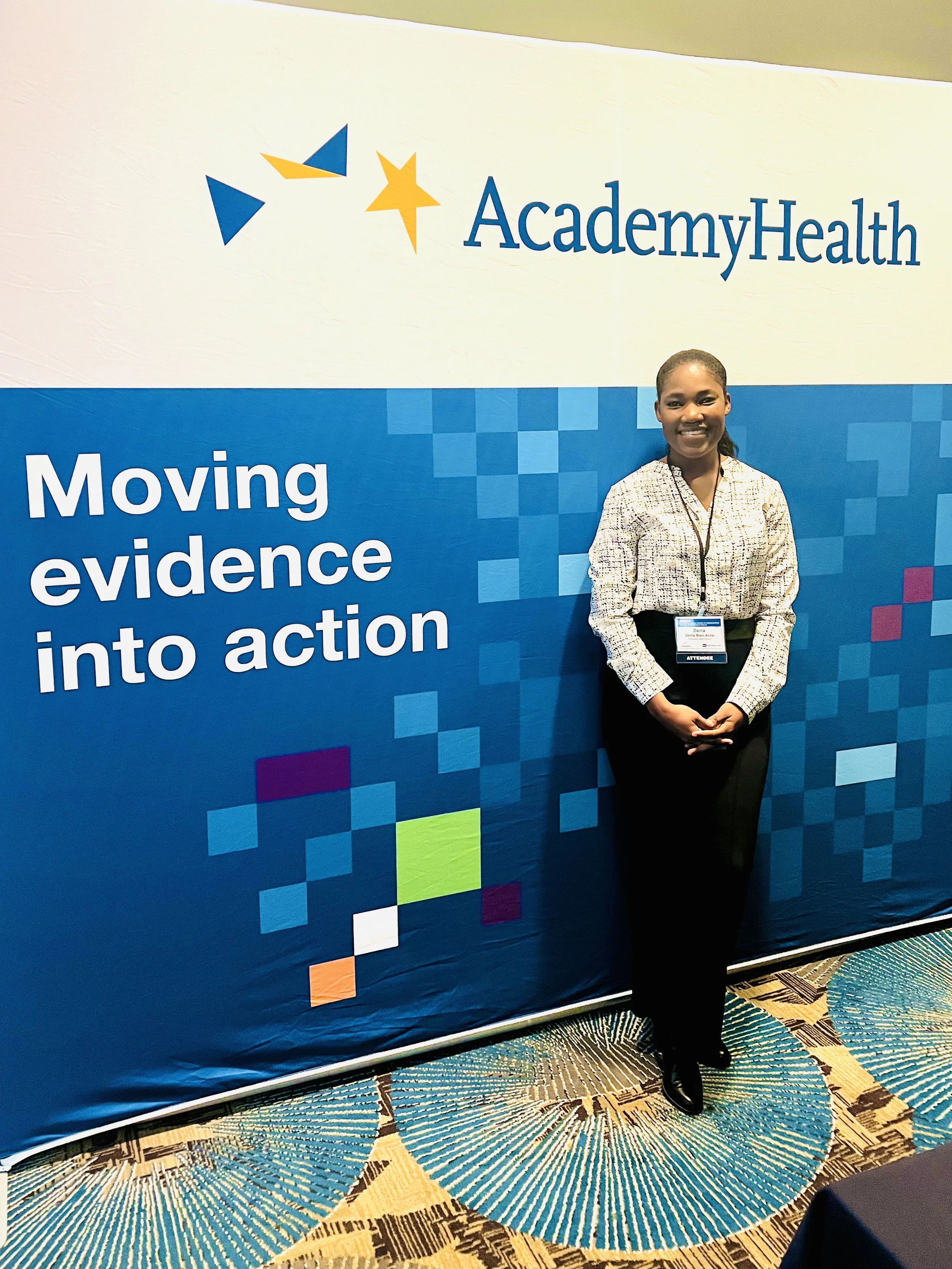
Danta Bien-Aime (she/her) has varied experience in program management, research, early childhood development, and cervical cancer prevention. She believes in strong, resilient communities with empowered, socially inclusive youth. She is also passionate about social justice. Danta is a Fulbright alumna with a Master of Medical Sciences in Global Health Delivery (MMSc-GHD) from Harvard Medical School and a Bachelor of Science in Nursing from the Episcopal University of Haiti.

Kara Nash, BS
-
Kara is the Grant Administration & Finance Manager at the HERLab. Since receiving her BS from St. John’s University in Queens, New York, she has held administrative positions within the healthcare field. Kara enjoys supporting the team with a wide range of financial and administrative functions.
Sage Herbert, MPH
-
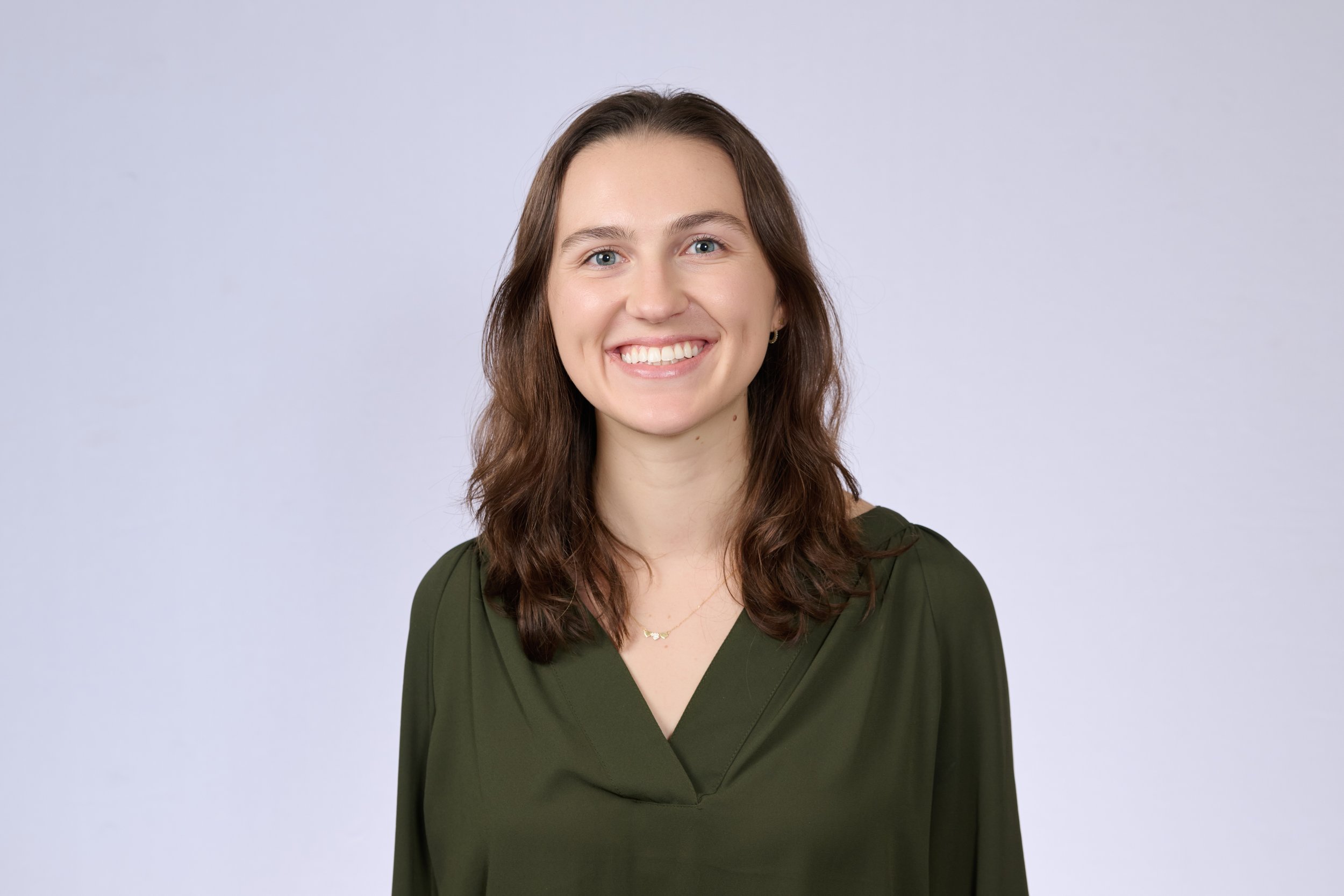
Sage Herbert (she/her) earned her B.S. in Health Science and her MPH in Epidemiology and Biostatistics, with a context certificate in Maternal and Child Health, from Boston University. Throughout her academic career, she worked as a research assistant at the Child Health Equity Center at UMass Chan Medical School, focusing on unmet social needs in pediatric primary care clinics. She is passionate about reducing health disparities and inequities for children and adolescents through data driven, community based research, and public health interventions and policies.
Taylor Witkowski, MA
-
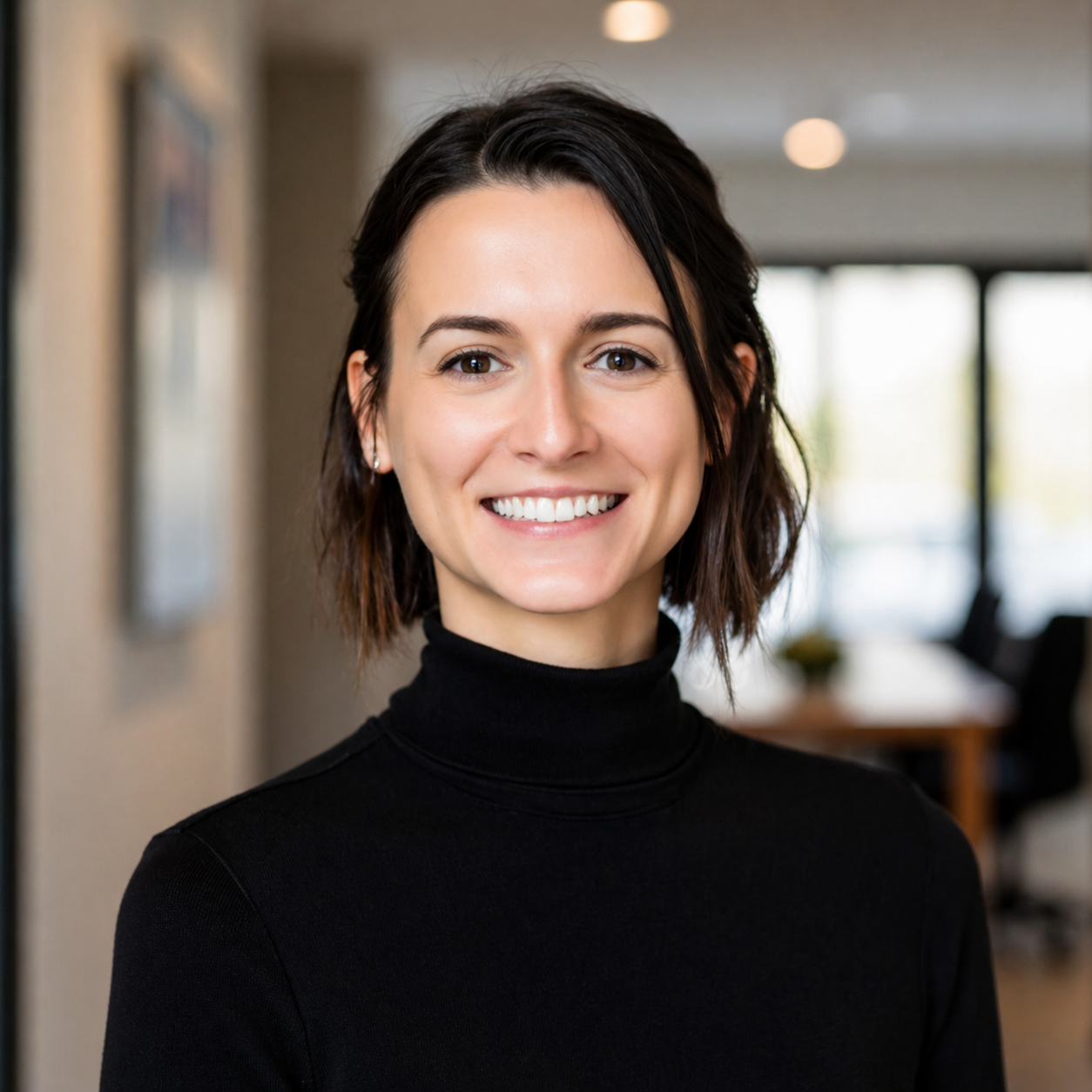
Taylor Witkowski is the Associate Director of the Health Equity Research Lab at Cambridge Health Alliance. She is a research operations and management professional with more than a decade of experience overseeing complex, multidisciplinary research, development, and change initiatives across a wide range of institutions, including academia, NGOs, tribal government, and hospital systems. Taylor’s expansive training in mixed-methods research, participatory design, project management, research administration, and regulatory compliance informs her practical, inclusive, and systems-oriented approach to operationalizing workflows, strengthening infrastructure, and sustaining collaborative partnerships in support of the HERLab’s mission to combat systemic health inequities. She holds a MA in International Development from Clark University, as well as a BA in Anthropology from Texas State University.

Zoe Chamberlain, BA
-
Zoe is the Research Administrative Coordinator at the HERLab. She holds a bachelor's degree in Psychology from Bates College and is passionate about supporting research that advances health and improves patient outcomes. She has several years of experience supporting the Psychiatry Research Office at Cambridge Health Alliance (CHA) and recently expanded her role to assist the HERLab with research administration.
Fellows & Interns

-
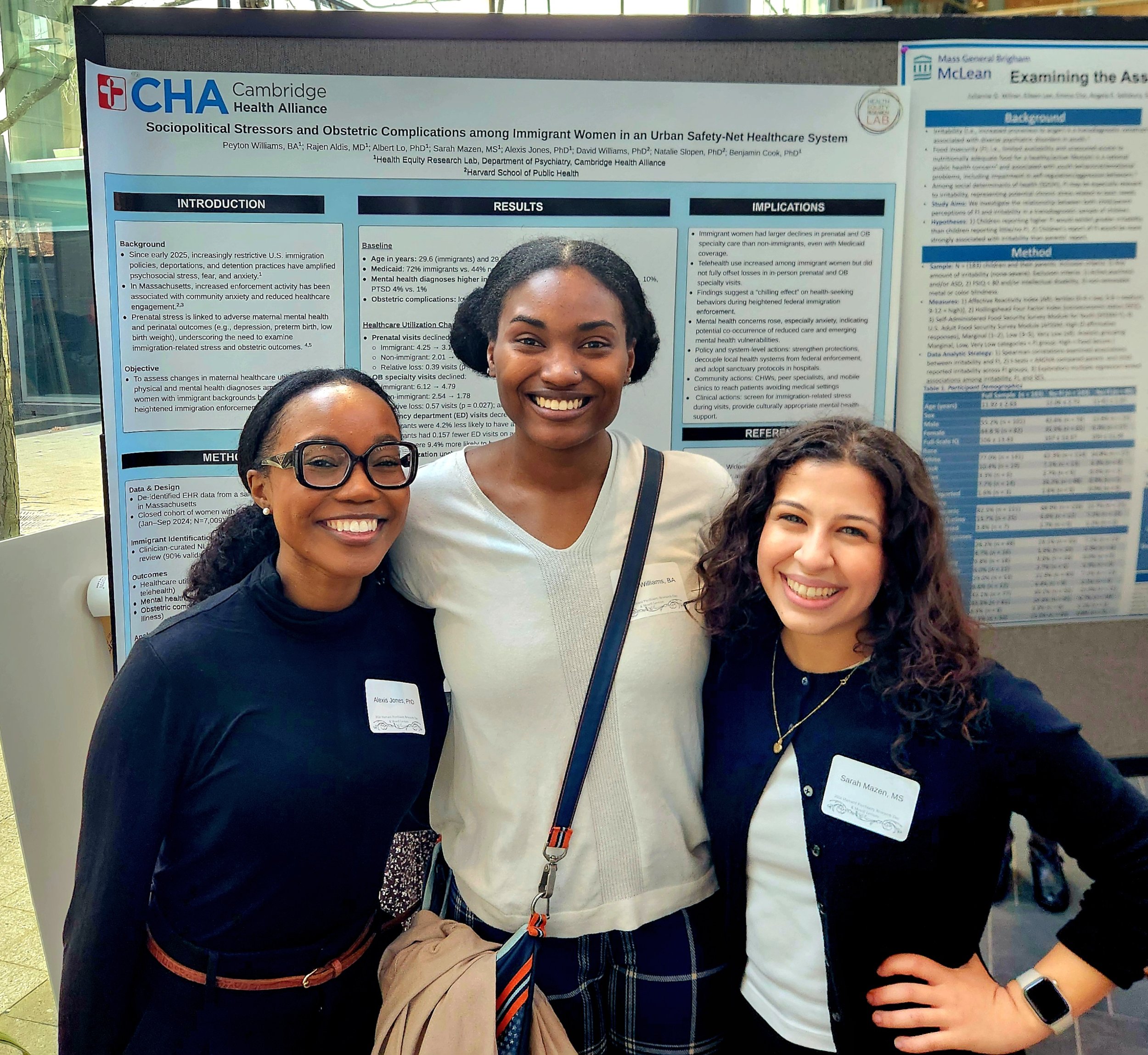
Alexis Jones, Ph.D. (she/her/hers) is a Postdoctoral Research Fellow at Cambridge Health Alliance and a Clinical Fellow in Psychiatry at Harvard Medical School. She holds a B.A. in Psychology from Spelman College, an M.A. in Clinical Psychology from Teachers College, Columbia University, and a Ph.D. in Counseling Psychology from Auburn University. She completed her pre-doctoral fellowship in Clinical and Community Psychology at Yale School of Medicine.

-
Brittany Bustos is an MMSc student in Biomedical Informatics at Harvard Medical School and a Graduate Student Researcher at Cambridge Health Alliance. She earned a B.A. in Biology from New York University. Before pursuing graduate training in biomedical informatics, she worked as a patient advocate serving diverse and underserved populations. These experiences shaped her commitment to improving healthcare access and outcomes for underserved communities, with a particular research focus on immigrant populations. Her current thesis research focuses on mental health disparities among immigrant-origin youth and the development and evaluation of traditional natural language processing (NLP) and large language model (LLM)-based methods to identify immigration-related context within electronic health records. She is interested in using clinical data and computational methods to better understand social determinants of health and advance equitable healthcare delivery.
-
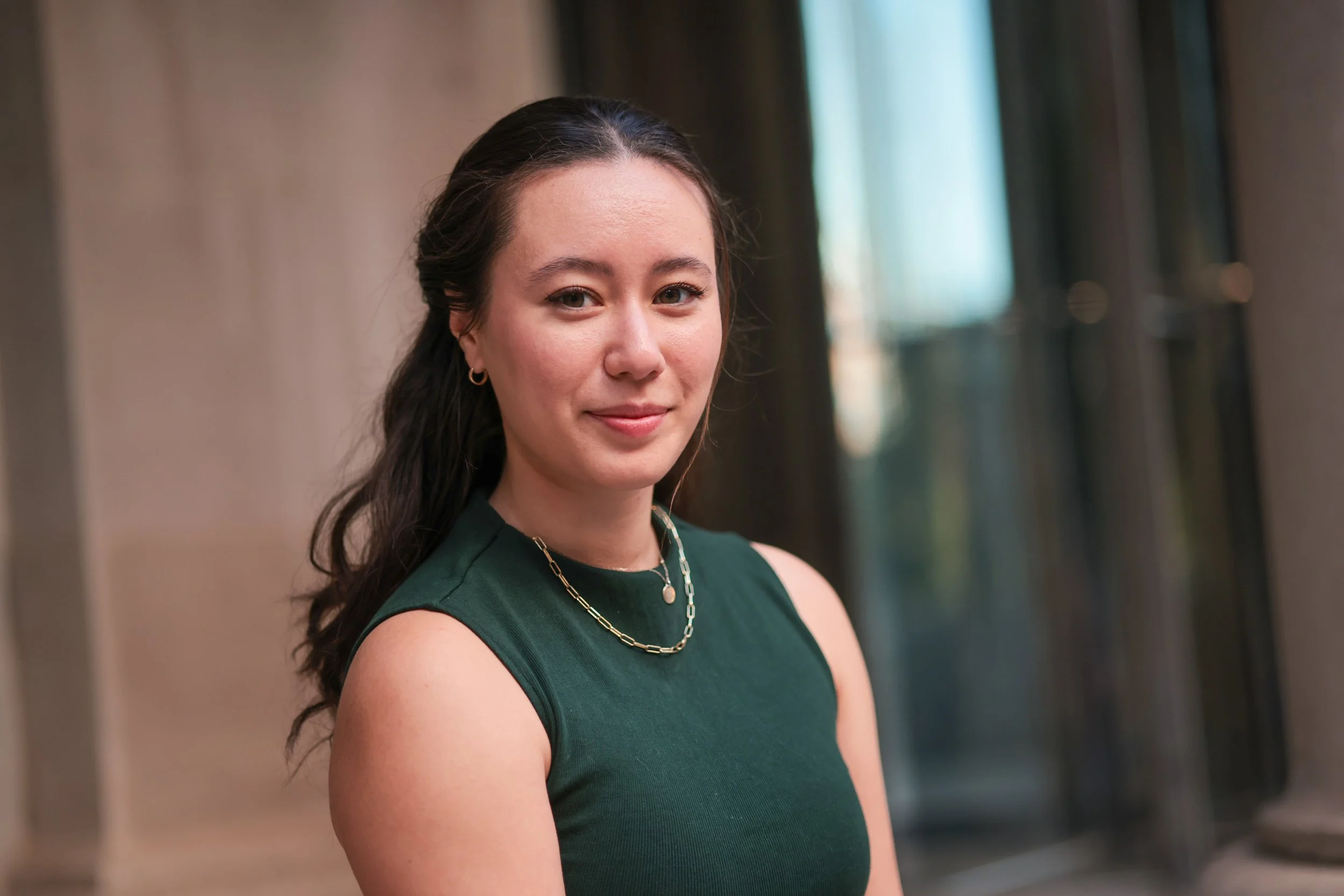
Cordelia Kwon is a student in the Health Policy PhD program at Harvard University. Her research examines health impacts of social safety net policies and the role of public insurers in addressing health-related social needs. She is particularly focused on how the social safety net identifies, targets, and coordinates care for patients with medical complexity. She received her MPH at Johns Hopkins Bloomberg School of Public Health and her BA from New York University.
-
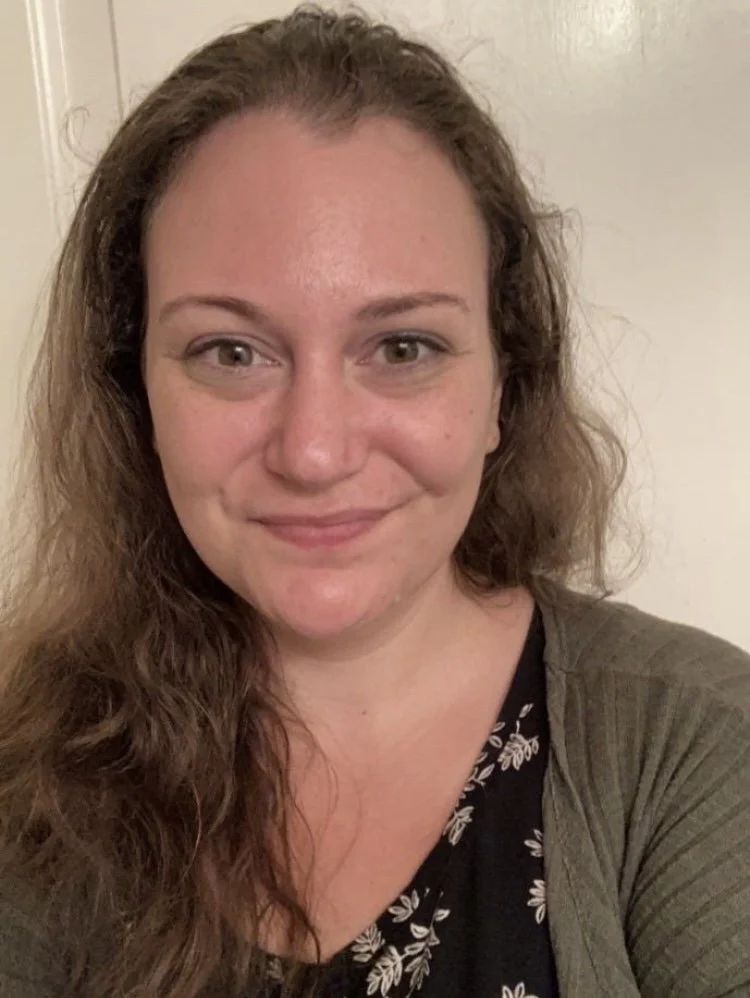
Emily Perkins, PhD (she/her) is a Psychology Postdoctoral Fellow at Cambridge Health Alliance and a Clinical Fellow in Psychiatry at Harvard Medical School. She holds a BA in psychology from Georgetown University and an MS and PhD in clinical psychology from Florida State University. Dr. Perkins completed her doctoral clinical internship in juvenile clinical and forensic assessment at Harris County Juvenile Probation Department in Houston, TX. She then held a MindCORE postdoctoral research fellowship at the University of Pennsylvania, followed by a T32 research fellowship in implementation science in Penn Psychiatry's Center for Mental Health.
-
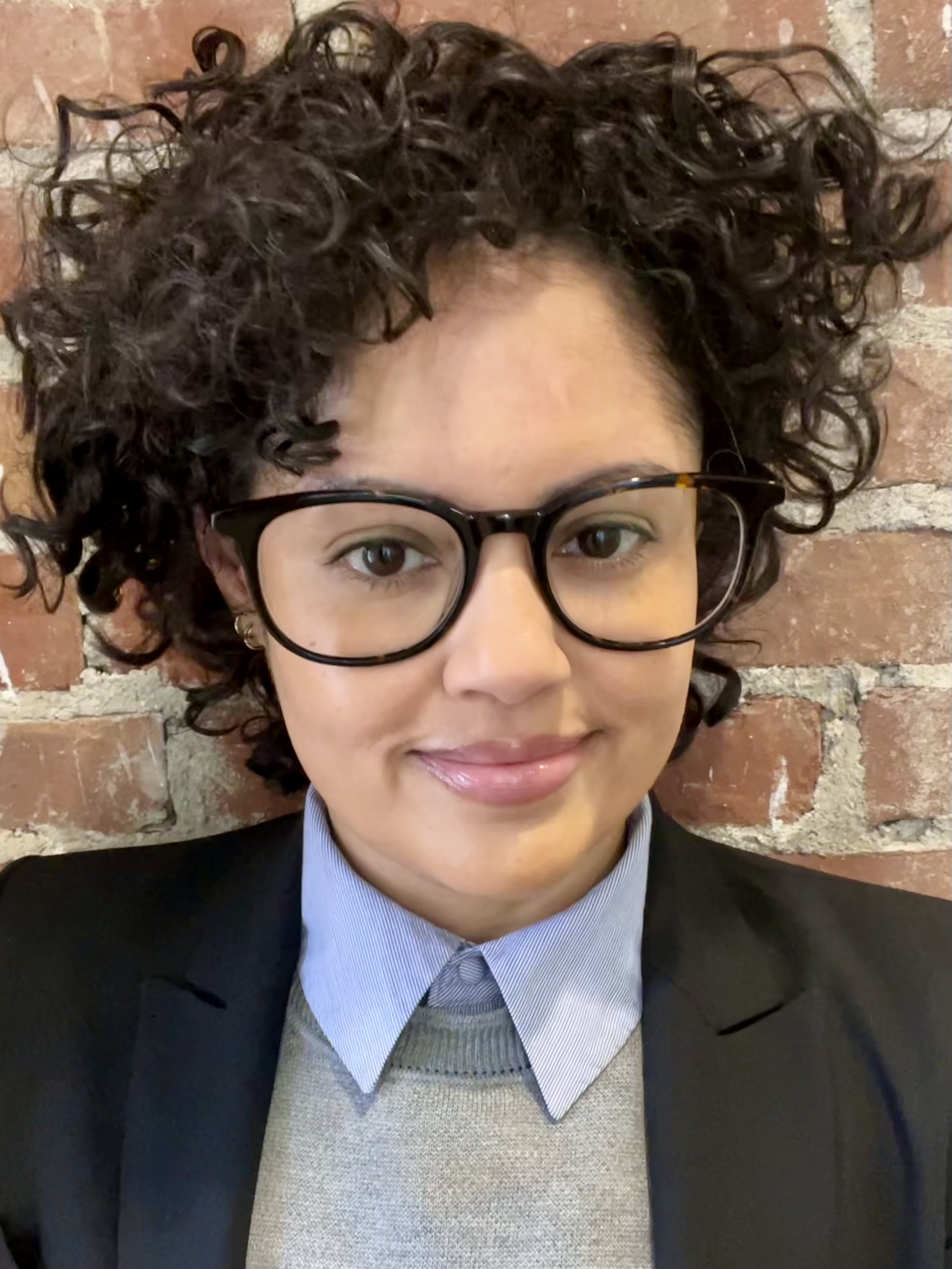
Franchesca (Franckie) Castro-Ramirez is a doctoral candidate in the Clinical Psychology PhD program at Harvard University and a psychology intern at Cambridge Health Alliance. Their dissertation examines social determinants of suicidal and violent behavior in youth and young adults. Franckie is interested in how healthcare systems can better detect and respond to suicide and violence risk among marginalized youth and young adults, including those involved in the child welfare and justice systems. In their clinical training, Franckie focuses on the assessment of complex, high-risk presentations and management of suicide risk, with a commitment to culturally responsive care for English- and Spanish-speaking communities.
-
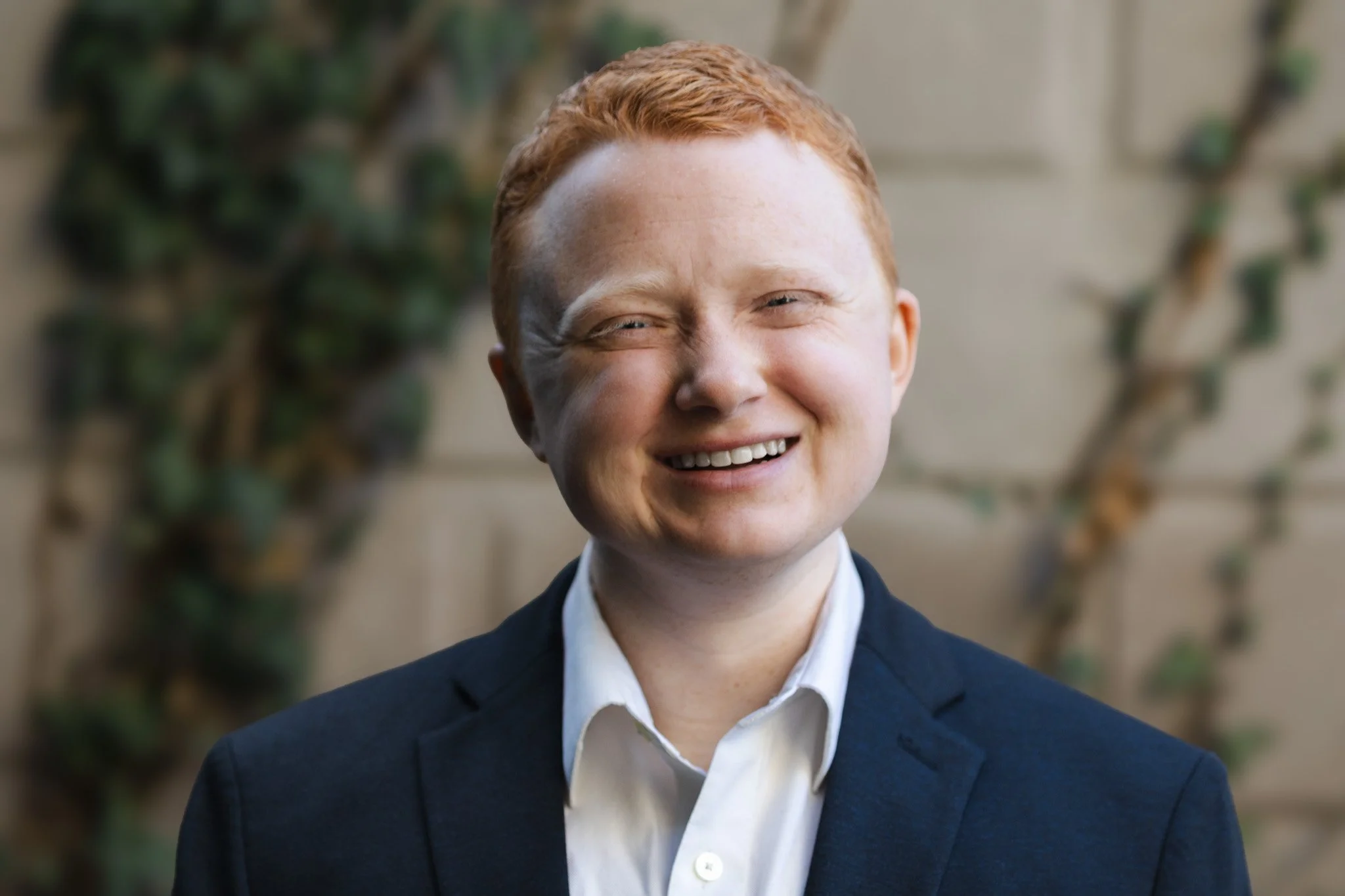
Gray Babbs, PhD, MPH (he/him) is a Postdoctoral Research Specialist in the Department of Health Care Policy at Harvard Medical School. Dr. Babbs is a health services researcher whose work focuses on improving quality of life and expanding equitable access to high-quality care for individuals with mental health and substance use conditions. His research examines health and healthcare disparities, evaluates the impacts of Medicare and Medicaid policy, and assesses how health system-based interventions impact outcomes. He is particularly interested in digital health interventions and transgender, nonbinary, and intersex communities. He received a PhD in Health Services Research from Brown University, an MPH concentrating in epidemiology and biostatistics from Boston University, and a BA in biology from Carleton College.

-
Tanzila Alam is a student in the Biomedical Informatics master's program at Harvard University and a Graduate Student Researcher at Cambridge Health Alliance. Her thesis research centers on identifying acculturative stressors that ethnic minority and immigrant youth face in accessing behavioral health services. She is interested in applying natural language processing methods for analyzing electronic health records to inform more culturally responsive care. Her broader research goal is to employ data-driven approaches to improve health outcomes for vulnerable patient populations. Tanzila earned her B.S. in Chemical Engineering from Yale University and is a proud product of the Central Valley in California.
Our lab alumni go on to do great things!
Read about them here.
Partner Organizations
-
The Center for Mindfulness and Compassion (CMC) enhances health and well-being by integrating mindfulness and compassion into healthcare and our communities with a commitment to inclusivity, accessibility, and diversity. The Center is grounded in current scientific understanding of mindfulness and compassion, and in the promotion of empirically-supported theory and practice. CMC uses mindfulness and compassion to foster an inclusive and caring community that ensures access on the basis of race, religion, ethnicity/culture, gender, sexuality, language, economic status, mental and physical ability, and literacy, recognizing that these often intersect.
-
The Division on Addiction (DOA) is committed to alleviate addiction-related social, medical, and economic burdens through research, education, training, and outreach. The Division offers encouragement, education, and training to a diverse group, including health care providers, policy makers, and scientists. The Division’s research agenda is driven, in part, by the Syndrome Model of Addiction and uses a syndrome framework to understand addiction as a cluster of symptoms and signs with multiple opportunistic expressions, as well as to test various aspects of the model and disseminate findings.
-
The Institute for Commuity Health (ICH) provides participatory evaluation, applied research, assessment, planning, training, and technical assistance. ICH helps community-based organizations, government agencies, foundations, and healthcare institutions improve their services and maximize program impact.